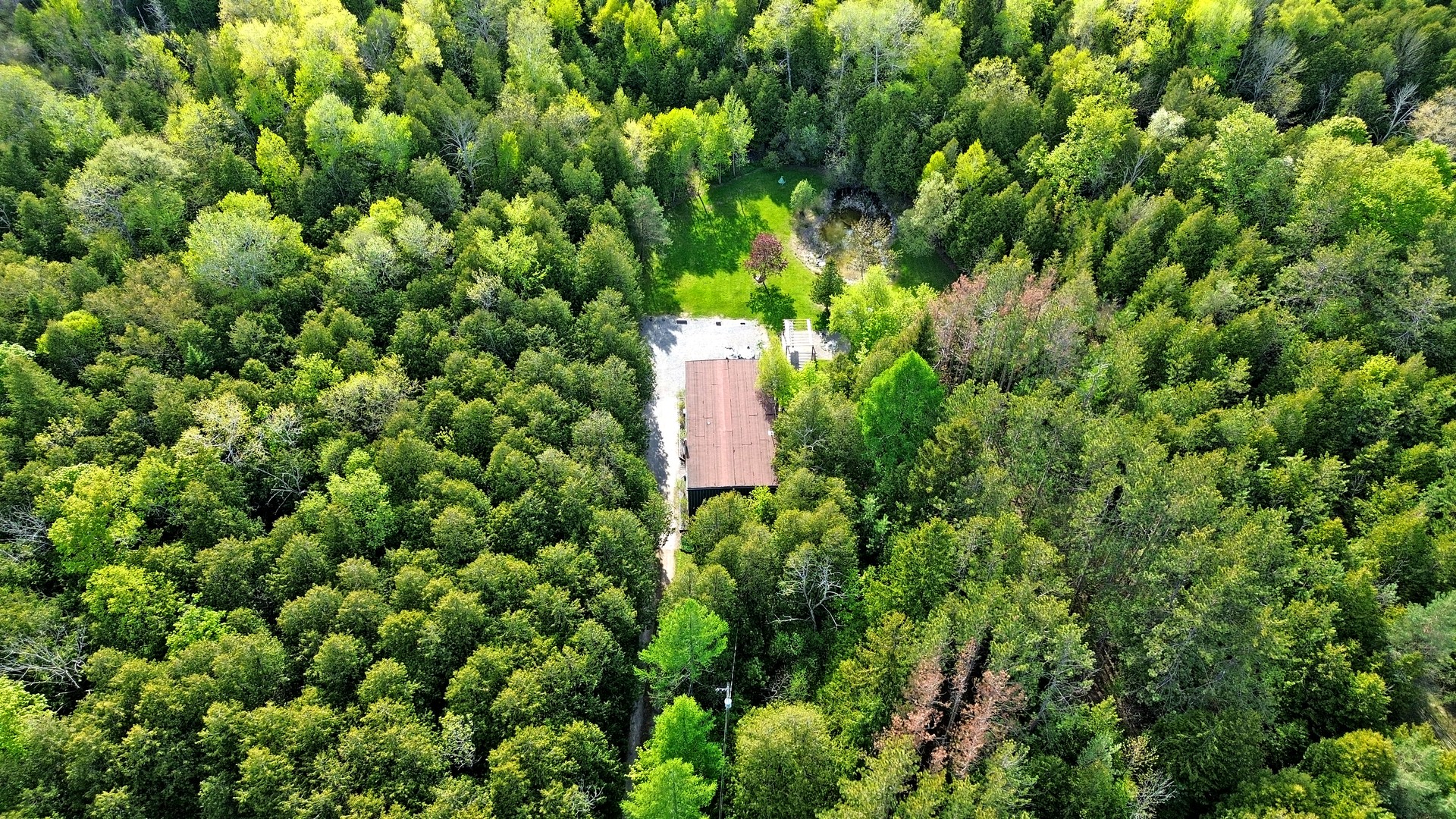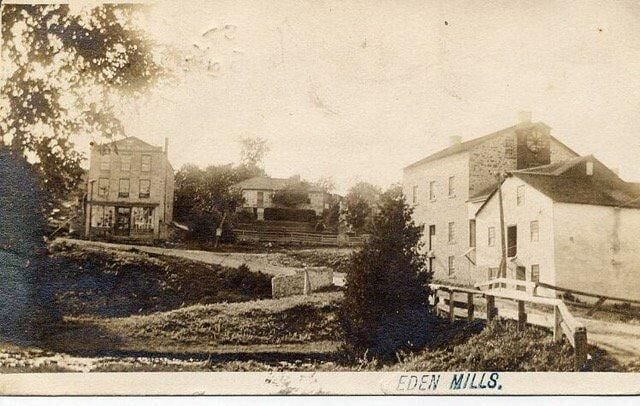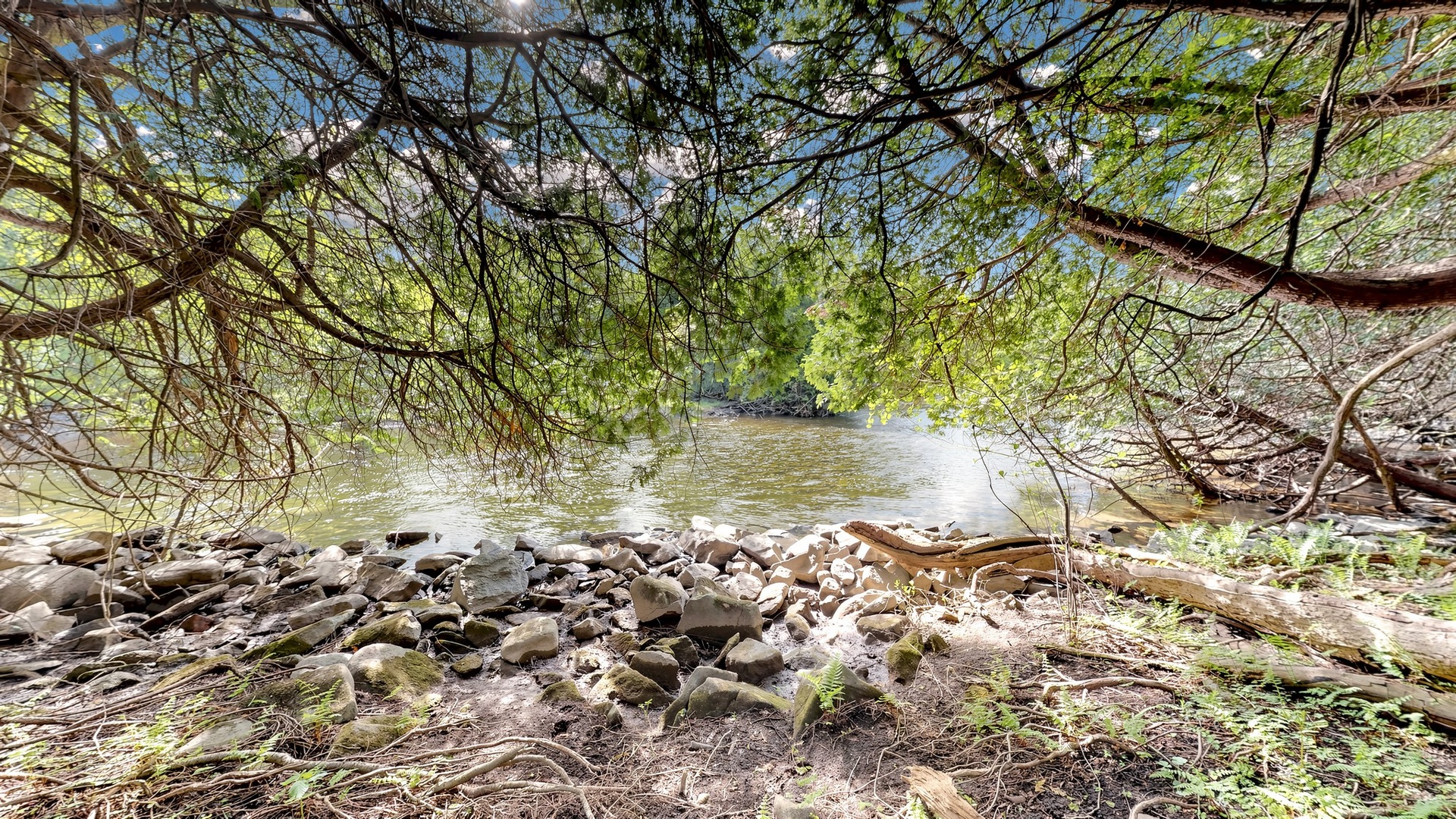
The Eramosa is one of those quiet southern-Ontario rivers that anglers fall in love with slowly. Cold, clear and shaded by cedar, it threads out of the highlands east of Guelph, slips past the village of Eden Mills, and joins the Speed on its way to the Grand. Along the way it holds trout, and on a misty morning, very few people.
If you're new to the river, this guide covers what swims here, when to go, what to throw, and how to read the water, written from the bank rather than from a brochure. Wild cold-water streams like the Eramosa reward patience and a light footprint, so we'll talk conservation too.
What lives in the Eramosa
The Eramosa is a classic two-trout river. Brook trout, Ontario's native char, all olive vermiculation and orange belly, hold in the coldest, most oxygenated pockets, especially near spring seeps and tributaries like Blue Springs Creek. They're a barometer of water quality: where you find wild brookies, you've found clean, cold water.
Brown trout share the river too, and tend to grow larger and warier. They favour undercut banks, log jams and the deep, slow tail-outs of pools, and they feed hardest at dawn, dusk and after dark. Downstream reaches also see smallmouth bass as the water warms through summer.

Seasons & licences
You'll need a valid Ontario fishing licence (Outdoors Card plus the sport or conservation fishing tag) for anyone 18 to 64. The Eramosa sits in Fisheries Management Zone 16, where the trout season is closed over winter and typically opens in late April. Open dates, size limits and catch limits change from year to year and can differ by stretch of river.
- Buy or renew your licence online through the Ontario government before your first cast.
- Check the current Fishing Regulations Summary for Zone 16 for season dates, limits and any sanctuary closures.
- Confirm whether a stretch is open to public access or sits on private land. Always ask permission.
The best times to fish
Spring, right after the opener, is prime: cold water, hungry fish and hatches of mayflies and caddis coming off in the afternoons. As summer settles in, shift to the cool ends of the day: the first hour of light and the last. Trout retreat to springs, riffles and shade when water temperatures climb, so fish the cold water and rest the warm.
Autumn brings browns into their pre-spawn aggression and some of the year's best streamer fishing. After heavy rain, give the river a day to drop and clear; a slightly stained river on the drop can be the best window of all.
Flies, lures & tactics
Fly fishing
A 3- to 5-weight rod is ideal for the Eramosa's intimate pools and overhanging cover. Carry:
- Dries: Adams, Elk Hair Caddis and small BWO patterns for rising fish.
- Nymphs: Hare's Ear, Pheasant Tail and a small bead-head dropper, fished under an indicator through riffles and pool heads.
- Streamers: Woolly Buggers and small sculpin patterns swung past undercut banks for browns.
Spin fishing
If you prefer spin gear, an ultralight rod with light line and small inline spinners or spoons covers water quickly. Pinch the barbs and you'll release fish far healthier.
Approach low and slow. On a small river, the fish see you long before you see them. Fish upstream, stay off the skyline, and your catch rate climbs.
Reading the water
Trout want three things: cold oxygen, cover and an easy meal. Look for the seams where fast water meets slow, the soft cushion in front of and behind boulders, the deep shade under a leaning cedar, and the bubble line that funnels food through a pool. Drift your fly or lure naturally into those lanes and let the current do the work.
Fish it like it's yours, because the river is shared
Cold-water streams are fragile. A few habits keep the Eramosa fishing well for the next angler:
- Practise catch-and-release on wild trout: wet your hands, keep the fish in the water, and pinch your barbs.
- Tread lightly on the banks and avoid disturbing spawning gravel in fall.
- Pack out everything, including tippet snippets, which are deadly to wildlife.
- Respect private frontage: much of the prettiest water is privately owned. Always ask.
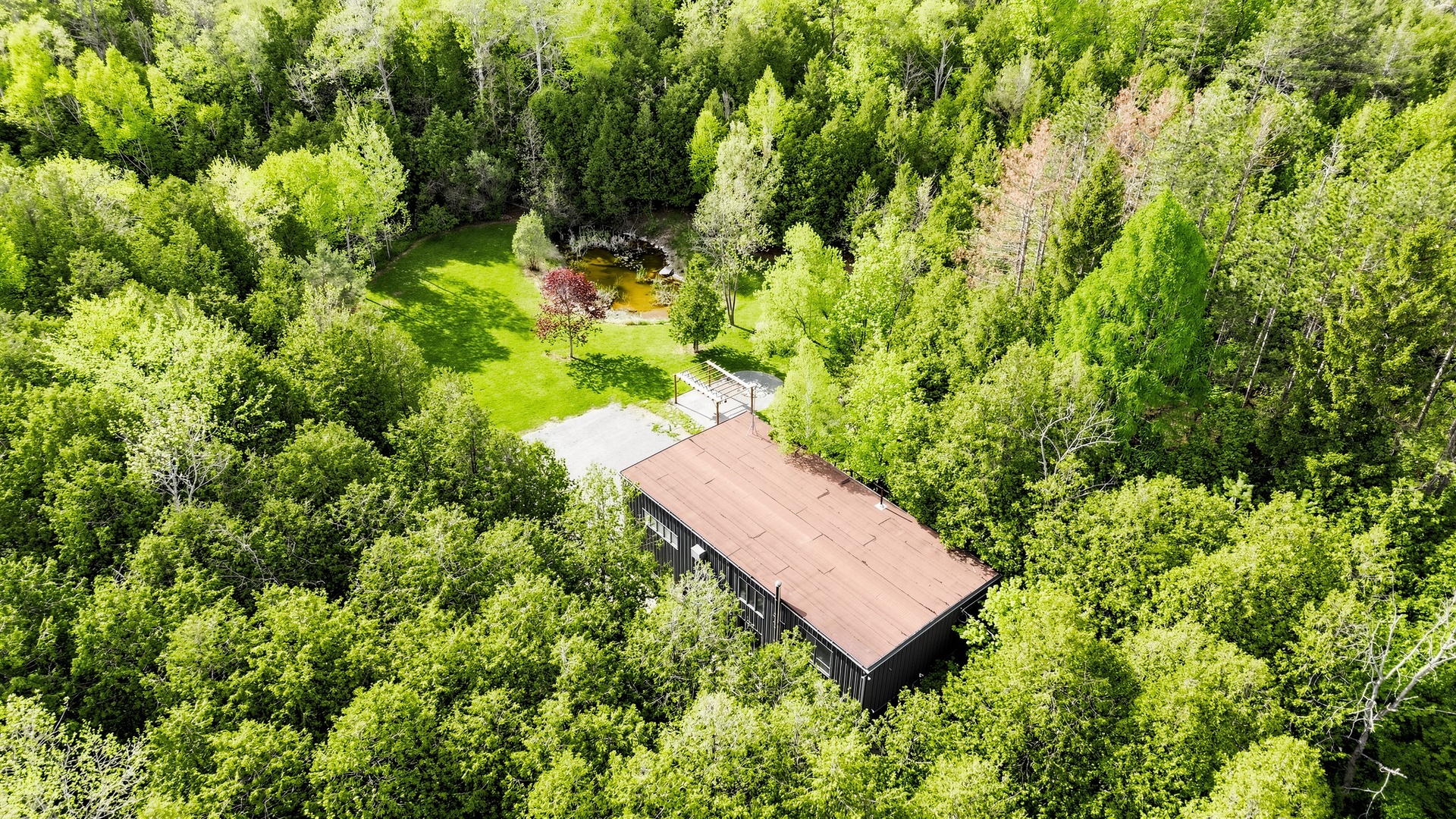
Own 646 feet of the Eramosa.
44 Edgewood Road wraps 13.58 acres of managed forest around its own private river frontage and Blue Springs Creek, your own cold-water trout water, a few steps from the door.
Whether you're chasing your first wild brook trout or just want a river to learn over a lifetime, the Eramosa rewards the angler who shows up early, moves quietly and pays attention. Tight lines.