There is no more satisfying taste of country living than syrup you boiled down yourself, from trees on your own land. It's one of the oldest traditions in this part of Ontario, and one of the easiest to start. If you have a few mature maples and a cold-to-warm stretch of late winter, you can make maple syrup. Here's how.
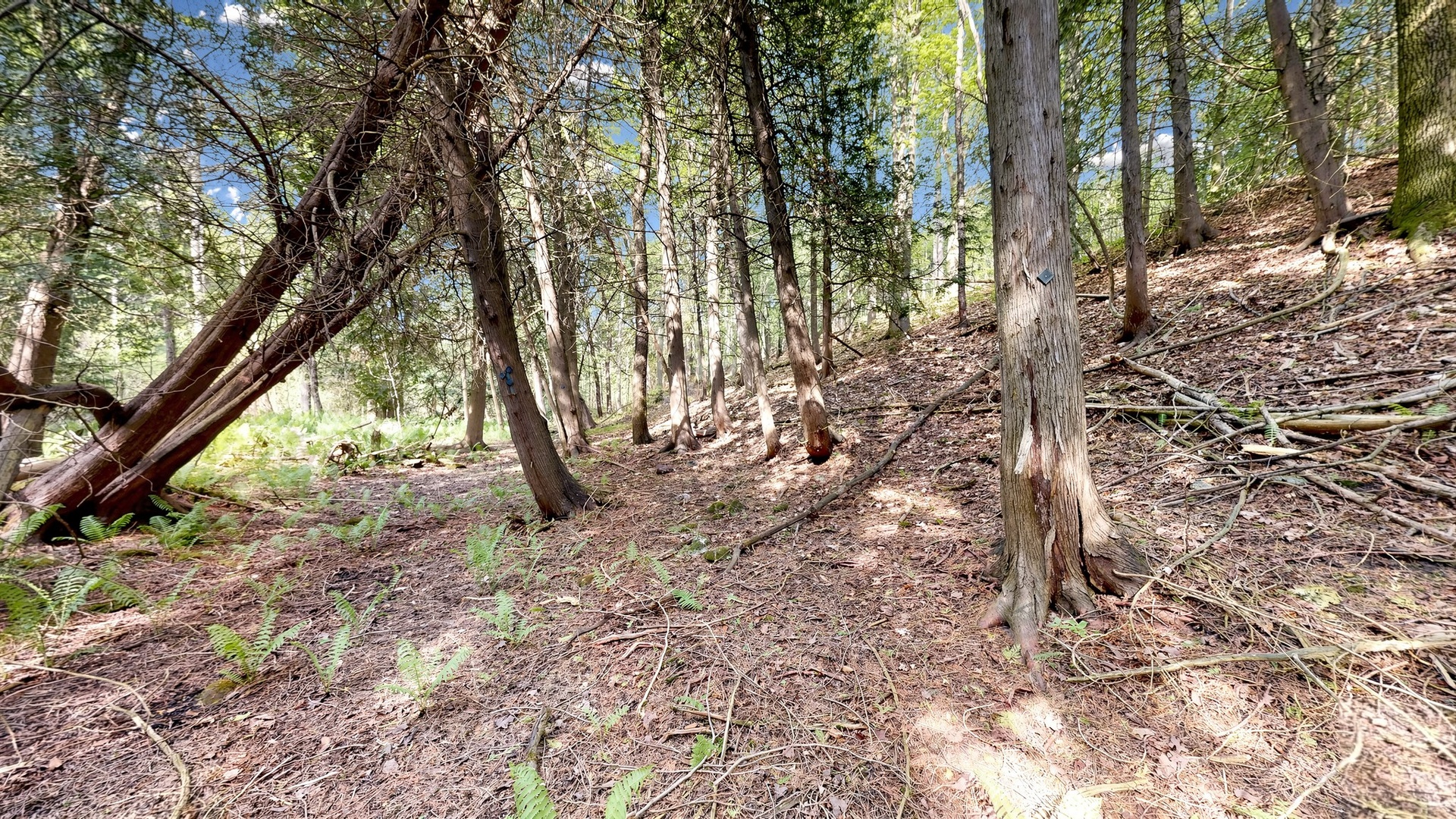
On this very property, we made two litres of maple syrup in our first season, without really even trying. The maples on the hill do the hard part; you just collect what they give.
First, find your maples
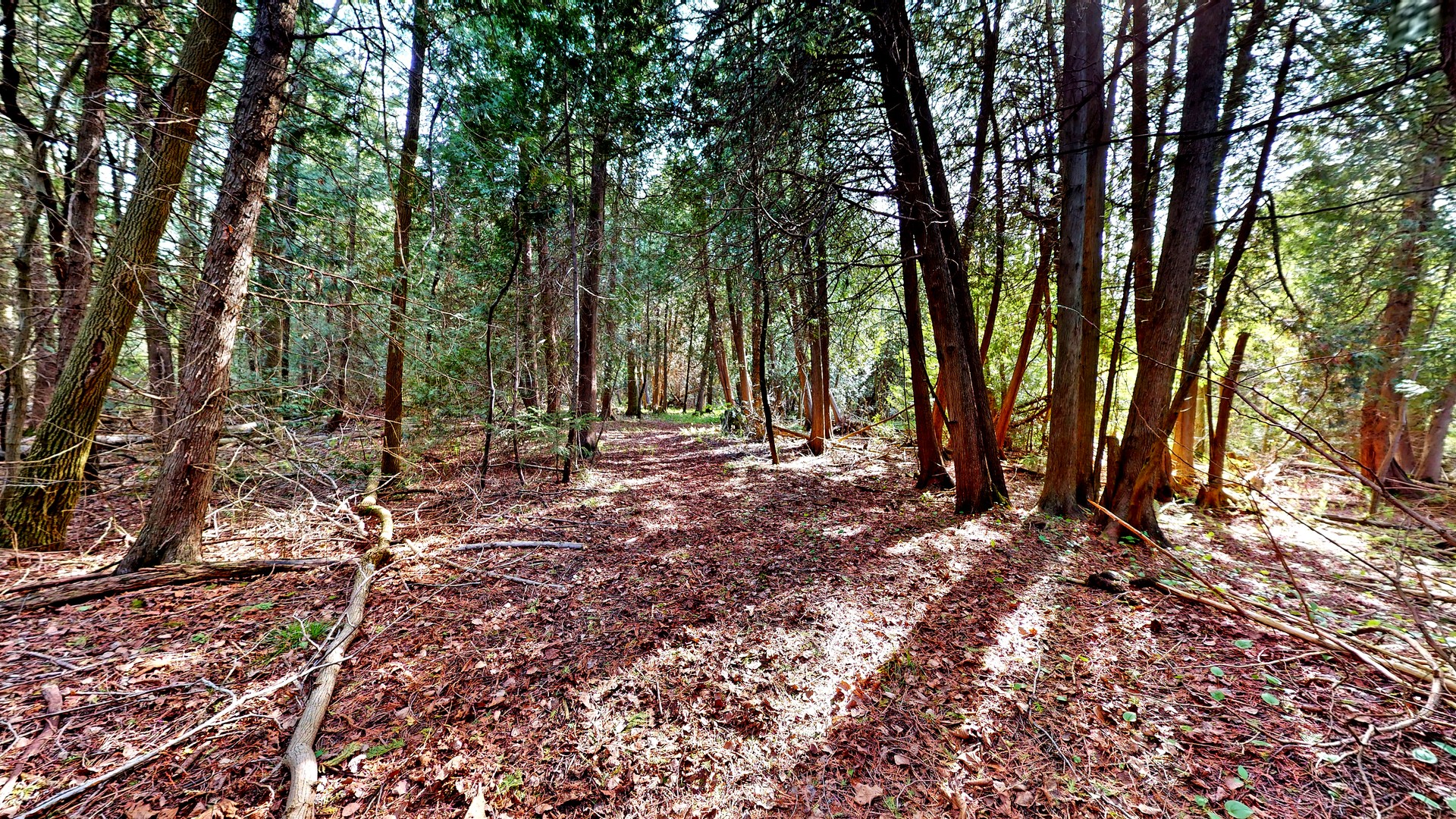
Sugar maples are the gold standard. Their sap runs sweetest, at roughly two percent sugar, but red maples, silver maples and even black maples all produce perfectly good syrup. In winter, identify them by their opposite branching (twigs grow in mirrored pairs) and the pale, ridged bark of a mature tree. In a mixed Ontario hardwood bush, the maples are usually the big, straight-trunked trees scattered through the hill.
Only tap healthy, mature trees. A good rule of thumb: a tree should be at least 30 cm (about 12 inches) in diameter before it gets a single tap. Larger trees can take two; only the biggest, healthiest veterans should ever carry three.
- A drill and a clean spile (tap) for each tree (7/16" or 5/16" are standard).
- A bucket or food-grade jug with a lid to keep out rain and debris.
- A large, wide pot or pan for boiling. The wider the better.
- A heat source outdoors: a turkey fryer, fire pit or propane burner. (Don't boil gallons indoors. It releases enormous steam.)
- A thermometer, a fine strainer or filter, and clean jars.
When to tap: chase the freeze-thaw
The sap runs when nights drop below freezing and days climb above it. That swing in temperature pumps sap up the tree. In southern Ontario, that window is usually late February through March, lasting four to six weeks until the buds break. Watch the forecast: a run of frosty nights and sunny, above-zero afternoons is the magic combination. Once the trees bud out, the sap turns bitter and the season is done.
How to tap a tree
- On a mild day, drill a hole about 4–5 cm deep, angled slightly upward, roughly a metre off the ground. Fresh, light-coloured shavings mean healthy wood.
- Gently tap the spile in with a mallet, snug but not so hard you split the bark.
- Hang your bucket or attach your tubing, and cover it. On a good day, clear sap will already be dripping.
A single tap can yield anywhere from a few litres to a gallon or more of sap on a strong day. Collect it daily and keep it cold. Sap is perishable, like fresh milk, and is best boiled within a day or two.
The boil: 40 litres in, 1 litre out
This is where patience pays. Sap is mostly water, so you boil it down hard to concentrate the sugar. The classic ratio is about 40 to 1: roughly forty litres of sugar-maple sap to make one litre of syrup. Keep the boil going outdoors, topping up the pan with fresh sap as the level drops, and let the steam roll.
As it thickens and turns golden, move it to a smaller pot to finish carefully. It can scorch fast at the end. Syrup is done at about 104 °C (219 °F), or 4 degrees above the boiling point of water that day. Filter it through a clean cloth or felt filter to remove the fine mineral "sugar sand," then bottle it hot in sterilised jars.
Forty to one sounds daunting until you taste the first spoonful. Nothing from a store comes close to syrup made from your own trees, on your own fire.
A few honest tips
- Start small. Two or three taps is plenty for a first season and a few bottles of syrup.
- Keep everything clean. Sap spoils quickly; clean buckets and cold storage make better syrup.
- Don't over-tap. Tapping responsibly does no lasting harm to a healthy tree. The hole closes over within a year.
- Mind the weather. Each season is different; some years the run is short, some years it's generous.
A sugar bush of your own
You don't need a commercial operation to enjoy this. A handful of maples, a cold March and an afternoon by the fire is all it takes to turn your own land into breakfast. It's the kind of small, seasonal ritual that makes a forested property feel less like real estate and more like home.
Maples on the hill, syrup in the kitchen.
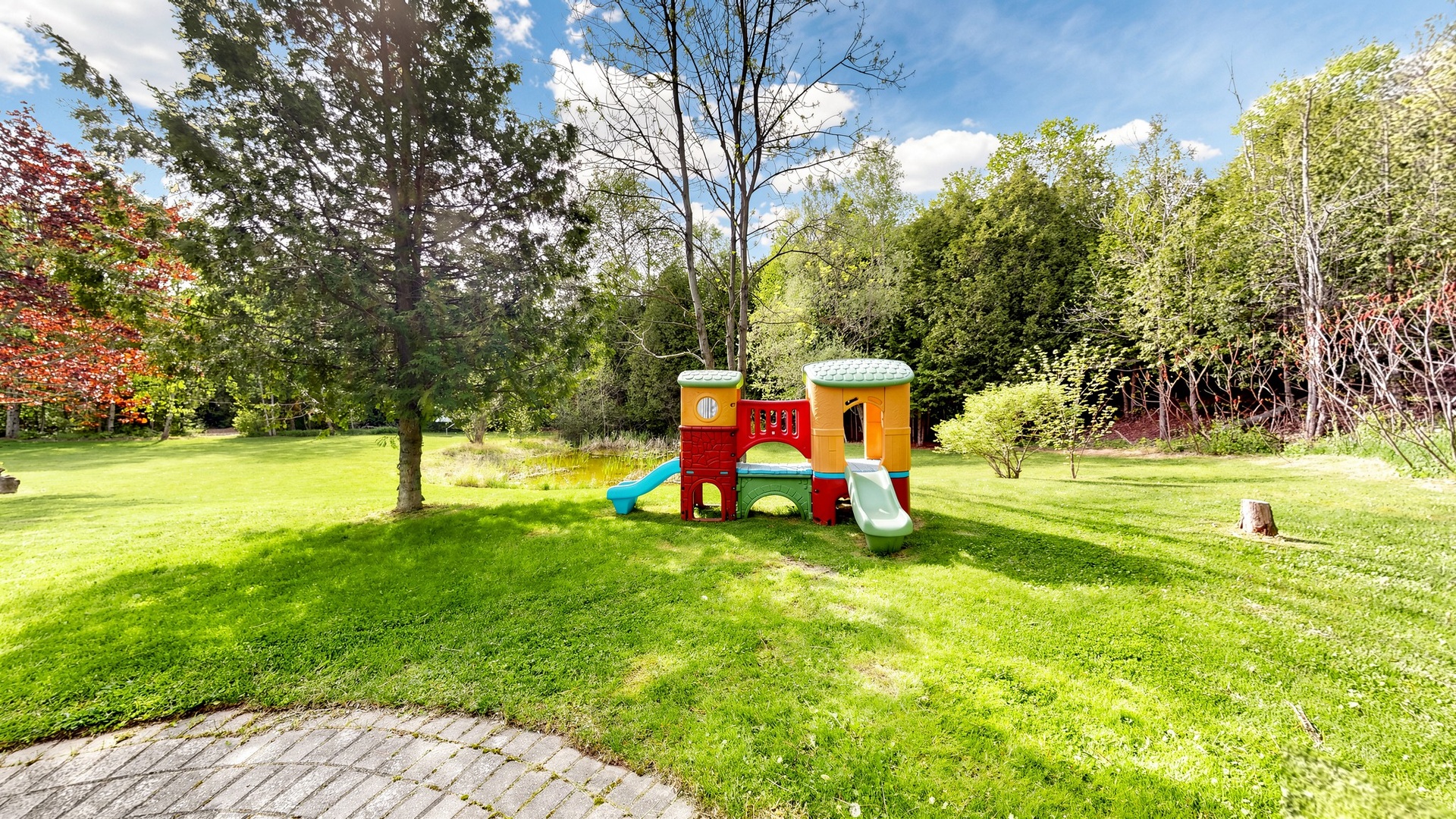
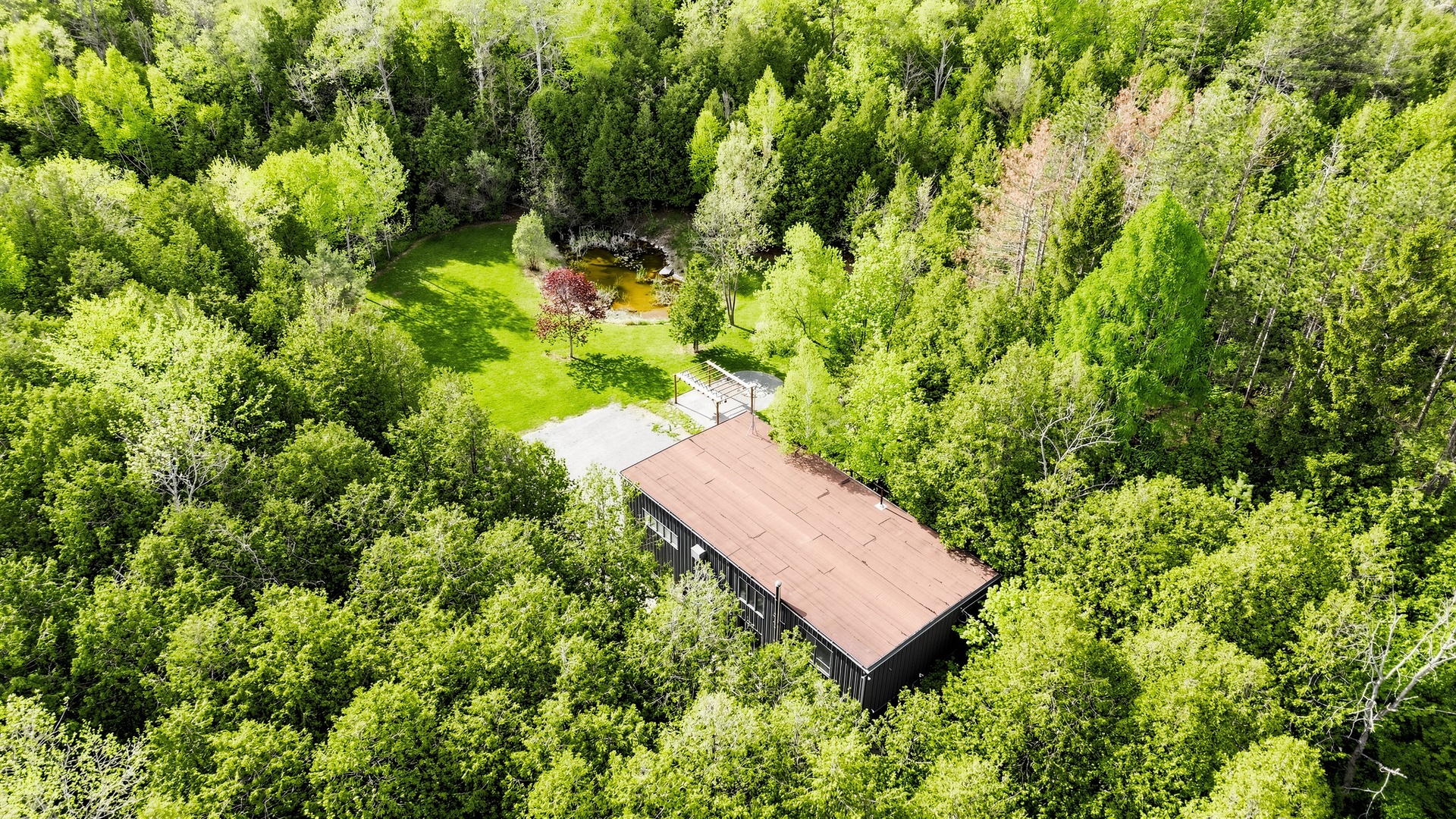
44 Edgewood Road's 13.58 acres of managed forest include maples ready to tap, enough that the current owners made two litres of syrup in their first season, almost by accident.
Come late winter, keep an eye on the thermometer. When the nights freeze and the days thaw, the maples are ready, and so is your first batch.